Vendor Management in Cybersecurity
The Hidden Risk in Medical Imaging Environments
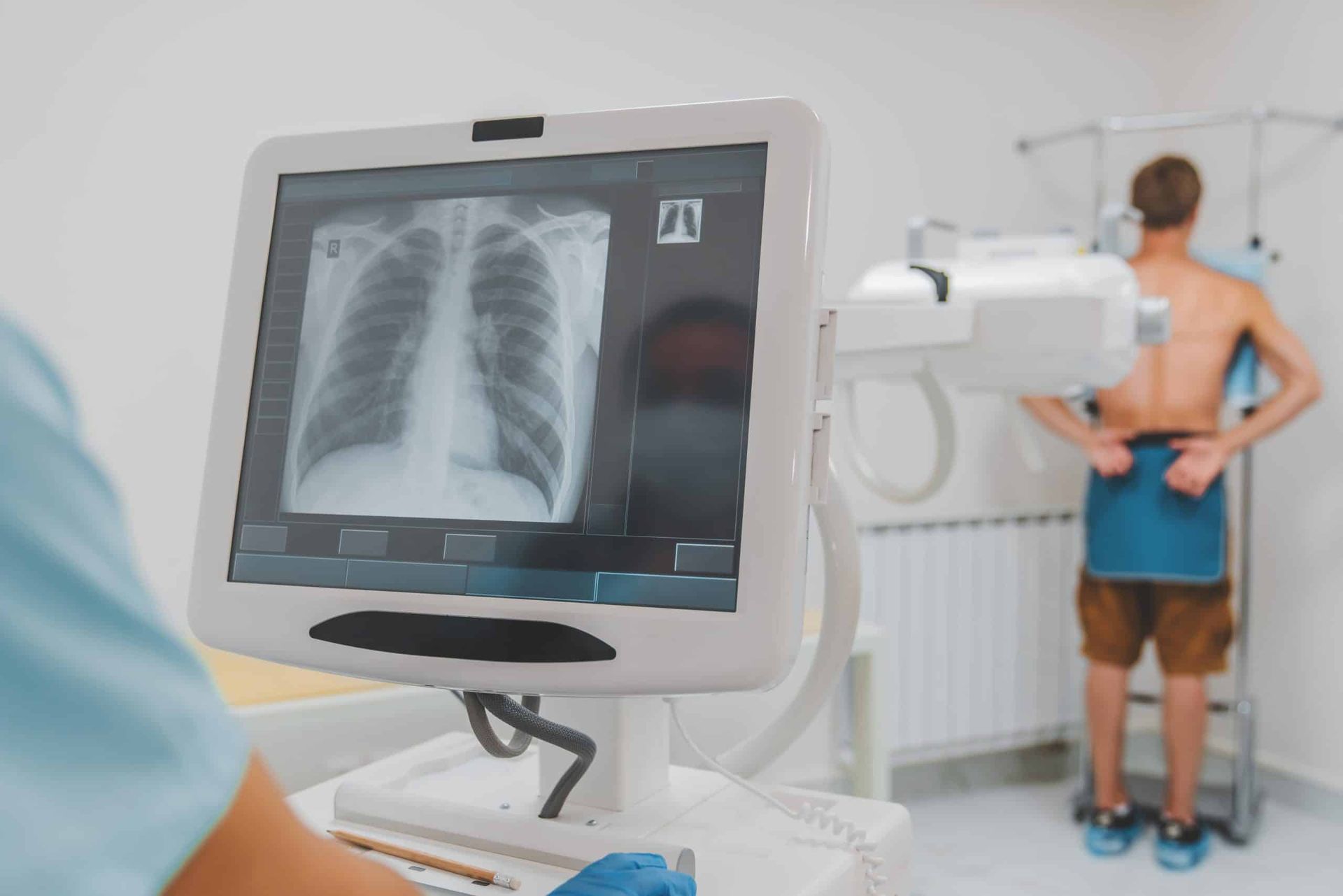
In healthcare, cybersecurity conversations often focus on endpoints, phishing, ransomware, and regulatory compliance. Those are important topics. But in medical imaging environments, there is another risk that is frequently underestimated: vendor access.
In many imaging centers and radiology practices, critical systems such as CT scanners, MRI machines, PACS platforms, and diagnostic workstations are installed, maintained, and supported by third-party vendors. To provide timely support, these vendors often maintain remote access into the organization’s network 24x7. While this model keeps equipment operational and minimizes downtime, it also introduces a layer of risk that must be actively managed.
The Nature of the Risk
Medical imaging systems are complex and highly specialized. Most organizations do not have in-house engineers capable of maintaining or troubleshooting the internal components of these modalities. As a result, vendors require remote connectivity to perform diagnostics, apply updates, and resolve issues quickly.
From an operational standpoint, this makes sense. From a cybersecurity standpoint, it creates several challenges.
First, every remote access pathway into your network represents a potential entry point. If a vendor’s credentials are compromised, or if their own internal network is breached, attackers may attempt to pivot through trusted connections into client environments.
Second, vendor-managed systems are not always patched or hardened on the same schedule as standard IT assets. Imaging systems often run specialized operating systems or legacy software that cannot be easily upgraded without regulatory approval or manufacturer support. This can leave vulnerabilities exposed for longer periods of time.
Third, visibility is often limited. Many organizations cannot clearly answer questions such as "Who currently has access to each imaging modality?" or "When was the last time a vendor logged in?" or "How is that access secured?"
If these questions cannot be answered quickly, the organization is operating with significant blind spots.
A Realistic Threat Scenario
Consider a common scenario. A vendor provides remote support through a VPN or remote access appliance connected directly to the imaging network. Credentials are shared among multiple technicians for convenience, and multifactor authentication is not enforced because the equipment is considered “isolated.”
An attacker compromises the vendor through phishing or credential theft. Using legitimate remote access tools, they connect into multiple customer environments without triggering immediate alarms. Once inside, they move laterally, looking for file shares, domain controllers, or backup systems.
By the time the SOC notices unusual activity, systems may already be encrypting or data may be exfiltrated.
This type of attack is not hypothetical. Supply chain and trusted-access attacks have become one of the fastest-growing intrusion methods because attackers know vendors provide a scalable pathway into many organizations at once.
Why Imaging Environments Are Especially Vulnerable
Medical imaging networks have characteristics that make vendor risk even more significant.
They have high uptime requirements. Imaging equipment is revenue-generating and patient-care critical. Systems cannot be taken offline easily for maintenance or security testing.
There's usually legacy dependencies. Modalities often remain in service for many years, far longer than typical IT hardware lifecycles.
Typical organizations have flat or semi-flat network segments. Imaging networks are sometimes less segmented than they should be, allowing lateral movement if an attacker gains entry.
They maintain large data volumes. PACS systems store massive amounts of sensitive patient data, making them attractive targets.
They have operational reliance on vendors. Organizations may feel they cannot impose strict controls without risking slower support or warranty complications.
These realities make vendor management not just a procurement or compliance function, but a core component of cybersecurity.
Practical Safeguards That Reduce Risk
The goal is not to eliminate vendor access. That is rarely practical. The goal is to control, monitor, and limit that access in ways that reduce exposure while preserving operational support. There are several measures that can significantly improve security.
First, require multifactor authentication (MFA). All remote access into the environment, especially vendor access, should be protected with MFA. This single control dramatically reduces the risk of credential-based attacks.
Second, use controlled remote access pathways. Vendors should connect through managed, monitored gateways rather than persistent, always-on connections. Access should be enabled only when needed and disabled when sessions end whenever possible.
Then implement network segmentation. Imaging systems should reside in segmented networks that restrict lateral movement. Even if a vendor connection is compromised, segmentation can prevent attackers from reaching core infrastructure.
You must also log and monitor vendor activity. Remote sessions should be logged, and alerts should be generated for unusual access times, locations, or behaviors. Visibility is essential for both detection and forensic response.
Limit access by applying the principle of least privilege. Vendors should have only the access necessary to perform their functions and no more. Shared accounts should be eliminated wherever possible in favor of individual authentication.
Due diligence should be performed in reviewing vendor agreements and security practices. Security expectations should be written into contracts. This can include requirements for MFA, breach notification timelines, access control practices, and audit rights.
And lastly, maintain an accurate vendor access inventory. Organizations should maintain a current list of:
- Which vendors have access
- How they connect
- What systems they can reach
- Who authorized the access
This information becomes critical during incident response.
Vendor Management Is Leadership’s Responsibility
One of the most common misconceptions in healthcare cybersecurity is that vendor risk is purely a technical issue. In reality, it is an operational and governance issue that requires leadership involvement. Decisions about vendor access affect patient care, revenue continuity, compliance, and organizational reputation. These are executive-level concerns, not just IT concerns.
Leaders should be asking important questions. "Do we know who has remote access to our environment?" "Could we quickly disable vendor access in an emergency?" "How would we detect misuse of those connections?"
You should already know the answers. But if you find those questions are difficult to answer, don't panic. Your organization has an opportunity to strengthen its security posture.
Final Thoughts
Medical imaging businesses operate in a high-risk environment by nature. They manage sensitive patient data, rely on specialized equipment, and depend heavily on third-party vendors to keep operations running. Vendor access is not inherently unsafe, but unmanaged vendor access is.
Strong vendor management does not slow down operations. When implemented correctly, it ensures that the organization can continue delivering patient care even in the face of cyber threats.
In cybersecurity, the most dangerous risks are often the ones that feel routine. Vendor access falls squarely into that category. The organizations that recognize this early while putting the right controls in place are far more likely to avoid becoming the next headline.